
 Cart (0 items)




Discover 5 natural remedies for post-workout soreness, from Epsom salt baths to herbal topicals. Relieve muscle pain and speed recovery.
5 Natural Remedies for Post-Workout Soreness

Table of Contents
- Understanding Post-Workout Muscle Soreness and DOMS
- How Long Does Muscle Soreness Last
- Five Natural Remedies for Muscle Pain Relief
- Foods and Drinks for Sore Muscles
- How to Relieve Sore Muscles After a Workout
- Frequently Asked Questions
Last Updated: October 7, 2026
Understanding Post-Workout Muscle Soreness and DOMS
Post-workout soreness is that familiar muscle ache you feel after pushing yourself during exercise. At Back 9 Botanicals, we focus on helping athletes and active adults manage post-workout soreness naturally so they can stay consistent with their training and recovery routines.
The soreness you experience falls into two categories. Acute soreness hits immediately during or right after your workout. Delayed-onset muscle soreness, or DOMS, typically appears 24-48 hours later and peaks around day two or three.
What Causes Muscle Aches After Exercise
When you exercise, especially during intense or unfamiliar movements, your muscles experience small tears in their fibers. This is normal and necessary for building strength.
The inflammatory response is actually beneficial. It's how your muscles grow stronger. But the inflammation also creates that achy, tender feeling that makes stairs difficult and reaching for things uncomfortable.
Several factors influence how much soreness you'll experience:
- Intensity and duration of your workout
- Whether the exercise was new or unfamiliar to your body
- Your current fitness level
- How well you recovered from your last session
- Age and individual genetics
Weekend warriors often experience more soreness than regular athletes because their bodies aren't adapted to frequent intense training. That's why consistency matters, your muscles adapt faster when you train regularly.
Delayed-Onset Muscle Soreness vs. Injury
Not all post-workout pain is DOMS. Understanding the difference between normal soreness and actual injury is critical.
DOMS feels like: a dull, achy tenderness across the entire muscle.
Injury feels like: sharp, localized pain in one specific spot. It often gets worse with movement rather than better.
If you experience sharp pain, severe swelling, or loss of function, stop exercising and consult a healthcare provider. Don't assume soreness when something feels genuinely wrong.
The good news: DOMS is temporary and manageable. It's your body doing exactly what it should.
How Long Does Muscle Soreness Last
Post-workout soreness typically peaks between 24-72 hours after your workout, then gradually improves. Most people feel significant relief by day 5-7.
Several factors affect your timeline:
- Intensity: Harder workouts create more soreness
- Experience level: Beginners experience longer soreness than experienced athletes
- Recovery habits: Active recovery, proper nutrition, and sleep speed up resolution
- Age: Recovery generally takes slightly longer as we age
Soreness doesn't mean damage, it means adaptation. Each time you train, your body becomes more resilient to that stimulus. The second time you do the same workout, you'll experience less soreness.
This is why consistency matters more than intensity. Regular, moderate training produces less total soreness than sporadic intense efforts.
Five Natural Remedies for Muscle Pain Relief
When post-workout soreness hits, you don't need to wait it out passively. Below are five natural approaches, each graded on how strong the supporting evidence is, how easy it is to use, and who should avoid it. No single remedy works for everyone, so treat this as a menu, not a prescription.
A quick note on evidence grading used here:
- Strong: consistent findings across multiple controlled trials in humans
- Moderate: some controlled trial support, mixed results
- Traditional: long-standing use with limited or low-quality human data
Watch Out
None of these remedies replace medical care. If soreness comes with sharp pain, swelling, bruising, dark urine, or loss of function, stop self-treating and contact a healthcare provider.
Remedy 1: Epsom Salt Baths for Inflammation
Evidence grade: Traditional. The warm-water effect is well supported for relaxation and perceived relief; the claim that magnesium absorbs through skin is not well supported by research.
How to use it:
- Fill a bathtub with warm (not hot) water, roughly 100-104°F is a common target
- Add 1-2 cups of Epsom salt and stir until dissolved
- Soak for 15-20 minutes
- Do this 1-2 times per week, or after intense training sessions
Timing: Within a few hours of your workout is ideal. If you wait 24+ hours, the benefit is still there but less pronounced.
Skip it if: you have open cuts, a skin infection, uncontrolled high blood pressure, or you're pregnant, check with a provider first. Don't soak immediately after a workout if you're dehydrated or overheated; cool down and rehydrate first.
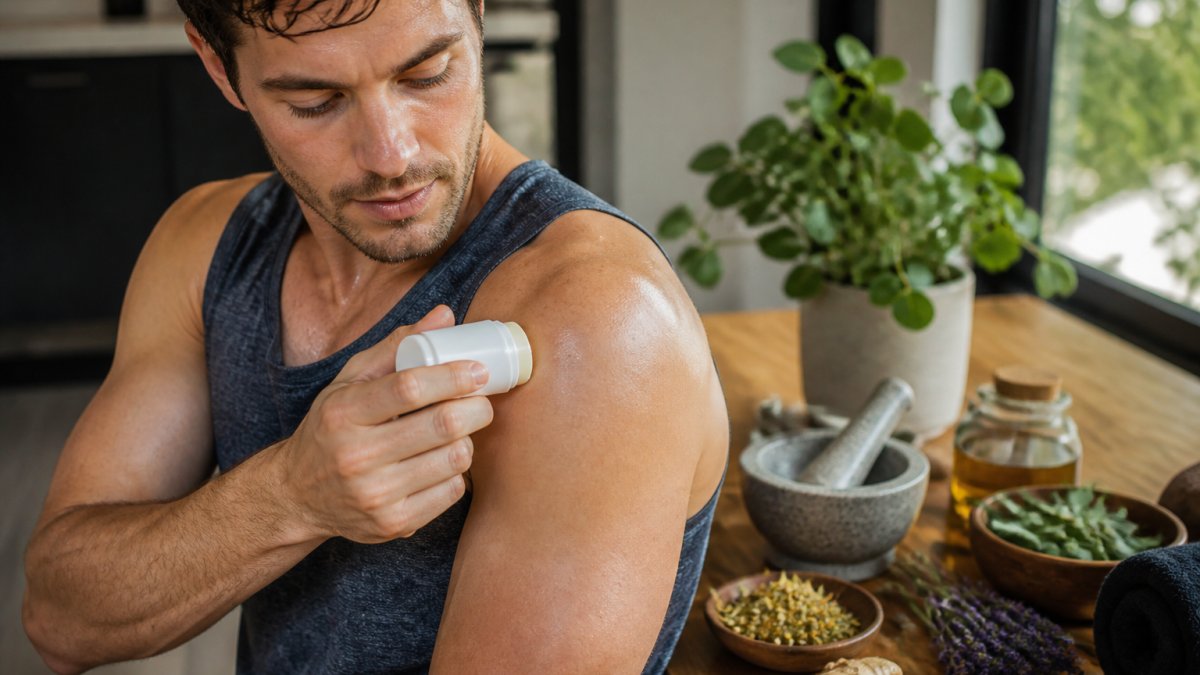
Remedy 2: Herbal Salves with Arnica and Cayenne
Evidence grade: Moderate for arnica topicals; Moderate for capsaicin (cayenne). Arnica gels have shown modest benefit for muscle soreness in some trials, though results are mixed.
Arnica is traditionally used to reduce swelling and bruising. It works by improving circulation and reducing inflammation in the affected area.
Cayenne contains capsaicin, which creates a warming sensation that helps ease muscle tension. The heat from cayenne increases blood flow to sore muscles, supporting faster recovery.
Application tips:
- Apply 2-3 times daily to sore muscles
- Use gentle circular motions when rubbing it in
- Works best on clean, dry skin
- Can be used immediately after workouts or during the soreness phase
Watch Out
Never apply arnica to broken skin. Cayenne-based products can cause burning, wash your hands thoroughly after use and keep them away from eyes, mouth, and other mucous membranes. Do not use occlusive wraps or heating pads over capsaicin products.
Skip it if: you're allergic to plants in the daisy family (arnica) or nightshades (cayenne), or you have sensitive skin. Patch-test on a small area first.
Remedy 3: Ginger and Turmeric for Natural Recovery
Evidence grade: Moderate for ginger; Moderate for turmeric/curcumin. Ginger has shown modest reductions in exercise-induced soreness in several small trials, typically at doses around 2 grams per day (pubmed.ncbi.nlm.nih.gov).
Ginger has been shown to ease muscle aches and support natural recovery. It works by reducing inflammation at the cellular level.
Turmeric contains curcumin, a compound that supports your body's natural inflammatory response. Regular turmeric consumption may reduce soreness intensity over time.
How to use them:
- Fresh ginger: steep 1-2 slices in hot water for tea, 1-2 times daily
- Ground ginger: about 1/2 to 1 teaspoon per cup of tea
- Turmeric: add to meals (curries, soups, roasted vegetables) or take as a supplement
- Pair turmeric with black pepper to improve curcumin absorption
- Combination: golden milk (turmeric, ginger, coconut milk, honey) is effective and delicious
Timing: These work best as part of your regular routine, not just when soreness hits. Athletes who consume ginger and turmeric consistently report less overall soreness from training.
Watch Out
High-dose ginger can cause stomach upset and may interact with blood thinners. High-dose turmeric supplements can irritate the GI tract and may interact with anticoagulants. Talk to a provider before using concentrated supplements if you take prescription medication.
Remedy 4: Rosemary-Infused Topical Relief
Evidence grade: Traditional. Rosemary has a long history of topical use for circulation and muscle tension, but human trial data for post-workout soreness specifically is thin.
Rosemary contains compounds that support circulation and ease muscle tension. Rosemary-infused oils or salves can be applied directly to sore muscles, and the herb's natural warmth makes it a comfortable pairing with arnica or cayenne.
How to use it:
- Apply rosemary-infused oil or salve to sore areas
- Massage gently for 2-3 minutes
- Use 1-3 times daily as needed
- Works well combined with other topical remedies
Skip it if: you're pregnant (rosemary oil is often advised against in pregnancy), have epilepsy, or have sensitive skin. Don't ingest essential oil.
Remedy 5: Active Recovery Through Light Movement
Evidence grade: Strong. This is the remedy many people skip, but it's often the most effective. Light movement accelerates recovery better than complete rest in most controlled comparisons.
Active recovery works because:
- Increased circulation delivers nutrients to recovering muscles
- Light movement flushes out inflammatory byproducts
- Gentle stretching reduces stiffness and tension
- Movement signals your body to prioritize repair
The key is keeping intensity low. You're not training, you're moving gently to support recovery.
Practical active recovery:
- 15-30 minute walk the day after an intense workout
- Easy cycling or swimming at conversational pace
- Gentle yoga or stretching routines
- Light mobility work focusing on sore areas
Timing: The day after your hardest session is the sweet spot. Many athletes find that a short walk or easy swim the day after their hardest workout significantly reduces soreness compared to complete rest.
Key Takeaway
If you only do one thing, do Remedy 5. If you want to stack, pair active recovery with a topical salve for immediate relief and ginger or turmeric for systemic support.
Choosing Between Remedies
| Remedy | Evidence | Best For | Main Caveat |
|---|---|---|---|
| Epsom salt bath | Traditional | Wind-down, whole-body ache | Not for open skin, pregnancy |
| Arnica/cayenne salve | Moderate | Targeted, localized soreness | Skin sensitivity, broken skin |
| Ginger/turmeric | Moderate | Daily systemic support | GI upset, blood thinners |
| Rosemary topical | Traditional | Gentle add-on, pairing | Pregnancy, epilepsy |
| Active recovery | Strong | Almost everyone | Keep intensity low |
Foods and Drinks for Sore Muscles
What you eat and drink directly impacts how quickly you recover from post-workout soreness.
Protein is essential. Your muscles need amino acids to repair the small tears created during exercise.
Antioxidant-rich foods support recovery.
Hydration matters more than most people realize. Dehydration slows recovery and increases soreness perception.
Omega-3 fatty foods like salmon, walnuts, and flaxseeds support your body's natural inflammatory response.
Carbohydrates replenish muscle glycogen, which fuels recovery.
Timing your nutrition helps too. Eating protein and carbohydrates within 1-2 hours after your workout supports faster recovery.
How to Relieve Sore Muscles After a Workout
A complete approach to muscle soreness relief combines multiple strategies. No single remedy works for everyone, but combining several approaches almost always delivers results.
Timing and Application Best Practices
Immediately after your workout:
- Cool down with 5-10 minutes of easy movement
- Stretch gently for 5-10 minutes (don't force it)
- Apply a topical salve if desired
- Consume protein and carbohydrates within 1-2 hours
Within a few hours:
- Take an Epsom salt bath if soreness is significant
- Continue light movement and gentle stretching
- Stay hydrated throughout the day
The next 24-48 hours:
- Engage in active recovery (walking, easy cycling)
- Apply topical remedies 2-3 times daily as needed
- Consume ginger or turmeric regularly
- Maintain consistent protein intake
Days 3-7:
- Continue light activity
- Apply topical relief as needed
- Focus on sleep and nutrition
- Return to normal training when soreness subsides
Recovery Fundamentals Beyond Topical Remedies
Topical remedies and herbal supplements help, but they work best alongside solid recovery fundamentals.
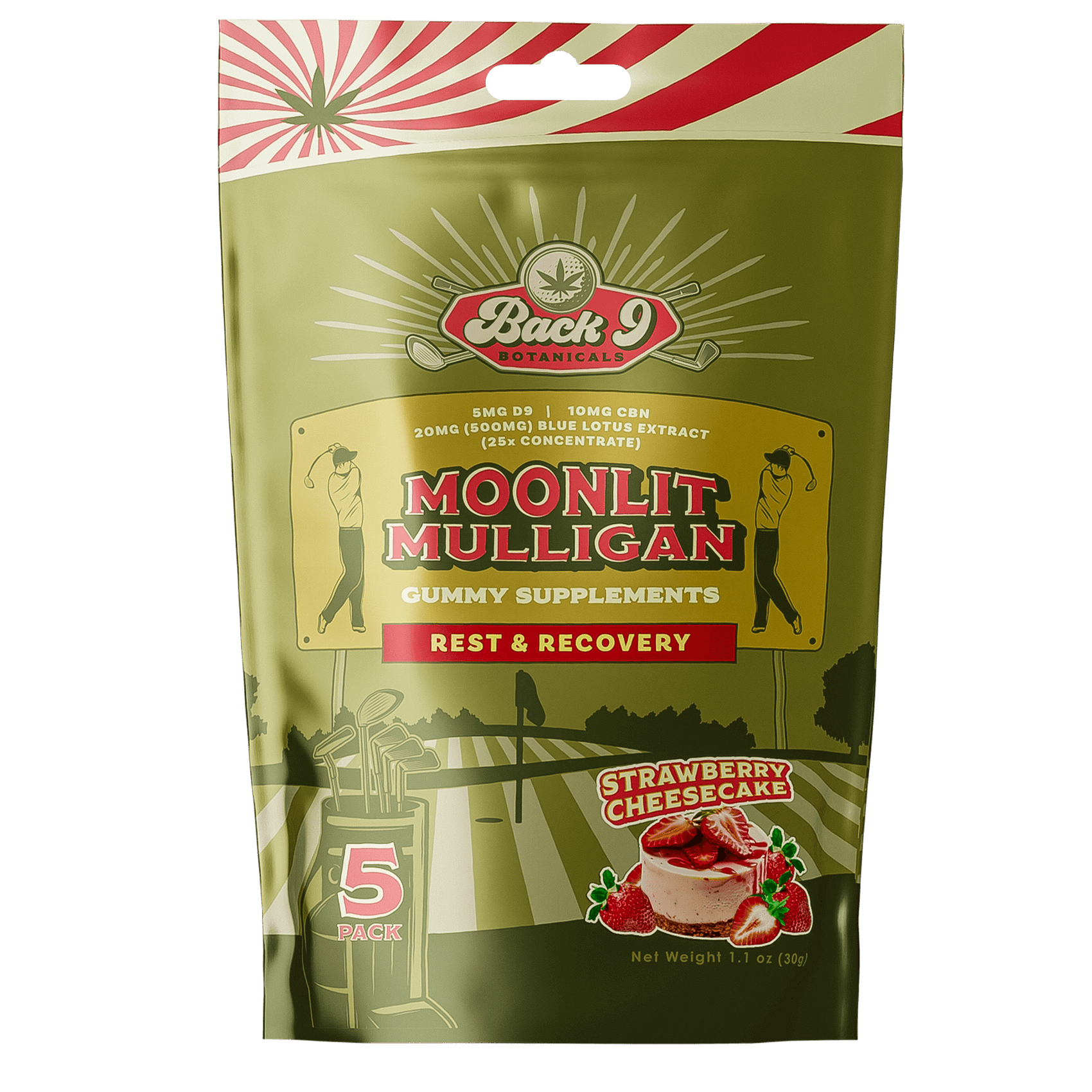
Sleep is non-negotiable. If sleep is difficult, consider the Moonlit Mulligan - Rest & Recovery Gummies from Back 9 Botanicals, which combines hemp-derived Delta 9 THC, CBN, and Blue Lotus to support deep, restorative sleep naturally.

Stress management affects recovery. High stress hormones slow adaptation and increase soreness perception. Meditation, time outdoors, or relaxation practices support faster recovery.
Consistency beats intensity. Training regularly at moderate intensity produces less total soreness than sporadic intense efforts. Your body adapts to familiar stress.
Progressive overload matters. Gradually increasing training intensity gives your body time to adapt. Sudden large jumps in intensity create excessive soreness.
Nutrition supports everything. Adequate protein, whole foods, and consistent hydration create the foundation for all recovery.
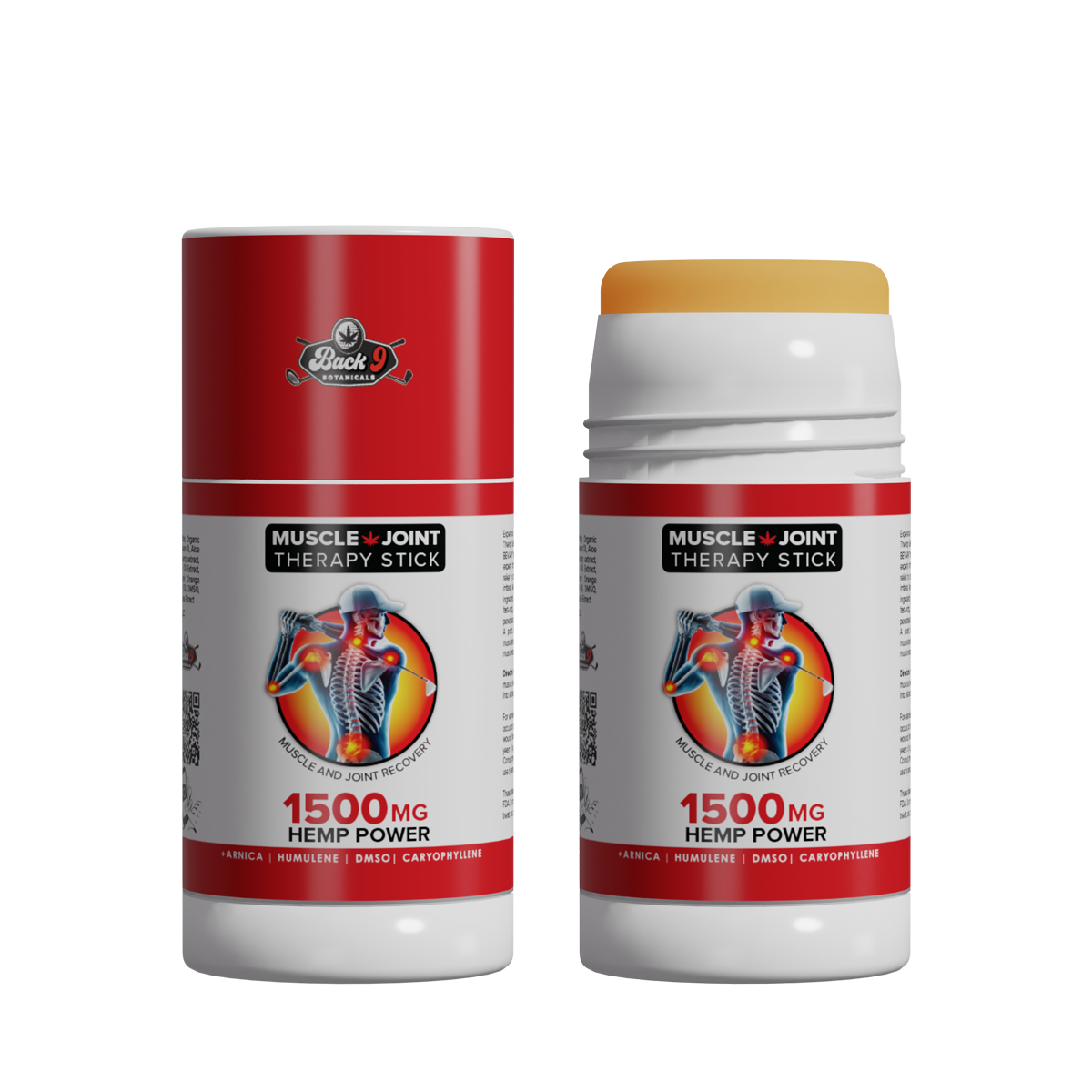
Post-workout soreness is temporary and manageable. Back 9 Botanicals offers science-backed topical solutions like the CBD Topical Therapy Stick and sleep support through Moonlit Mulligan gummies, both designed to support your body's natural recovery process.

Frequently Asked Questions
How can I get rid of post-workout soreness fast?
Active recovery through light movement like walking or easy cycling accelerates blood flow to sore muscles, reducing soreness faster than complete rest. Combine this with Epsom salt baths, herbal topical remedies containing arnica and cayenne, and adequate hydration. Most muscle soreness peaks 24-48 hours after exercise and resolves within 3-5 days with these approaches.
What foods and drinks help relieve sore muscles?
Protein-rich foods support muscle repair, while tart cherry juice and ginger drinks reduce inflammation naturally. Turmeric in warm milk or smoothies offers anti-inflammatory benefits. Leafy greens and fatty fish provide antioxidants and omega-3s that combat muscle pain. Staying hydrated with water helps flush metabolic byproducts that contribute to soreness.
Is it better to rest or move when muscles are sore?
Light movement is better than complete rest for post-workout soreness. Walking, gentle cycling, or easy stretching increases circulation and speeds recovery without further damaging muscle fibers. Avoid intense exercise, but staying active through low-intensity movement helps manage muscle aches and reduces stiffness.
How long does post-workout muscle soreness typically last?
Delayed-onset muscle soreness (DOMS) usually peaks 24-48 hours after intense exercise and resolves within 3-5 days for most people. Severity depends on exercise intensity, your fitness level, and recovery methods used. Consistent active recovery and natural remedies like herbal topicals and Epsom salt baths can shorten the duration.