
 Cart (0 items)




Discover natural alternatives to NSAIDs for daily pain relief. Learn about turmeric, ginger, fish oil, and other proven options with safety guidance.
Natural Alternatives to NSAIDs for Daily Pain

Table of Contents
- Why People Seek Natural Alternatives to NSAIDs
- Natural Alternatives to Ibuprofen and Other NSAIDs
- Turmeric for Inflammation and Pain Relief
- Non-Drug Treatments for Chronic Pain
- CBD for Daily Pain Management
- Safety, Dosing, and When to Seek Medical Advice
- Frequently Asked Questions
Last Updated: October 9, 2026
Why People Seek Natural Alternatives to NSAIDs
When daily pain becomes routine, many people reach for NSAIDs like ibuprofen, aspirin, or naproxen without thinking twice. These nonsteroidal anti-inflammatory drugs work quickly and are widely available.
Long-term NSAID use carries real risks. Regular use can affect the stomach lining, heart health, and kidney function. Others simply want to reduce their reliance on pharmaceutical interventions and explore what natural alternatives to NSAIDs might offer instead.
At Back 9 Botanicals, we understand that athletes and active adults often seek solutions that align with a wellness-focused lifestyle. Whether you're managing post-round soreness, training-related inflammation, or everyday joint discomfort, natural alternatives to NSAIDs deserve serious consideration.
Natural Alternatives to Ibuprofen and Other NSAIDs
The shift toward natural alternatives to NSAIDs isn't about rejecting modern medicine, it's about having options that fit your lifestyle and health goals. Several botanicals and supplements have demonstrated meaningful effects on inflammation and pain, with different strengths depending on your specific needs.
Turmeric and Curcumin
Turmeric, the golden spice used in cooking for centuries, contains curcumin, a compound that's been extensively studied for its anti-inflammatory properties.
The challenge with turmeric is absorption. Curcumin alone has limited bioavailability, your body doesn't absorb much of it without help. Most effective supplements pair curcumin with black pepper extract (piperine), which increases absorption significantly.
Many people report feeling effects within 2-4 weeks of regular use, though some notice relief sooner. The onset is slower than ibuprofen, but the anti-inflammatory benefit can be sustained without the gastrointestinal concerns that come with long-term NSAID use.
Ginger
Ginger root has been used in traditional medicine for thousands of years, and modern research supports its anti-inflammatory and pain-relieving effects. Gingerol, the active compound in fresh ginger, works similarly to NSAIDs by reducing inflammatory markers in the body.
What makes ginger practical is versatility. You can consume it fresh in food, as a supplement, or even as a tea. For daily pain management, many active adults find that consistent ginger intake, whether through supplements or dietary sources, provides noticeable relief without side effects. The warming sensation ginger creates can also feel soothing for sore joints and muscles.
Fish Oil and Omega-3 Fatty Acids
Fish oil contains omega-3 fatty acids, particularly EPA and DHA, which help reduce inflammation throughout the body. Unlike turmeric or ginger, which target specific inflammatory pathways, omega-3s work more broadly to support overall inflammatory balance.
For athletes and weekend warriors, fish oil is especially relevant because it supports joint health and may reduce exercise-induced inflammation. Consistent daily use, typically 1,000-2,000 mg of combined EPA and DHA, can contribute to lower baseline inflammation over weeks and months.
Boswellia and White Willow Bark
Boswellia, an extract from frankincense resin, contains boswellic acids that inhibit inflammatory enzymes. White willow bark contains salicin, a compound similar in action to aspirin but gentler on the stomach. Both have been used for joint and muscle pain relief.
Boswellia often appears in joint-support formulas and is particularly popular among athletes managing chronic joint discomfort. White willow bark offers a middle ground between herbal remedies and pharmaceutical pain relief, with fewer gastrointestinal effects than NSAIDs.
Turmeric for Inflammation and Pain Relief
Turmeric stands out among natural alternatives to NSAIDs because the research backing it is substantial. If you're considering one botanical for daily inflammation management, curcumin deserves serious attention.
The mechanism is straightforward: curcumin blocks NF-kappa B, a protein complex that triggers inflammatory responses.
For daily use, the typical dose ranges from 500-2,000 mg of curcumin per day, often split into multiple doses. Consistency is critical, turmeric isn't a quick fix like ibuprofen. Most people need 2-4 weeks of regular intake to notice meaningful pain reduction.
The practical advantage: turmeric has virtually no serious side effects at recommended doses.
Non-Drug Treatments for Chronic Pain
While supplements address inflammation at a biochemical level, non-drug approaches tackle pain from different angles. The most effective pain management usually combines multiple strategies.
Topical Therapy and Heat
Topical treatments deliver anti-inflammatory compounds directly to the affected area. Heat therapy increases blood flow and relaxes muscle tension, providing immediate relief for localized pain.

For athletes and active adults, topical therapy offers convenience. Apply it directly where you feel pain, a sore shoulder after practice, stiff knees after a round, or tight hips from training. Heat can be as simple as a warm compress or as targeted as a heating pad.
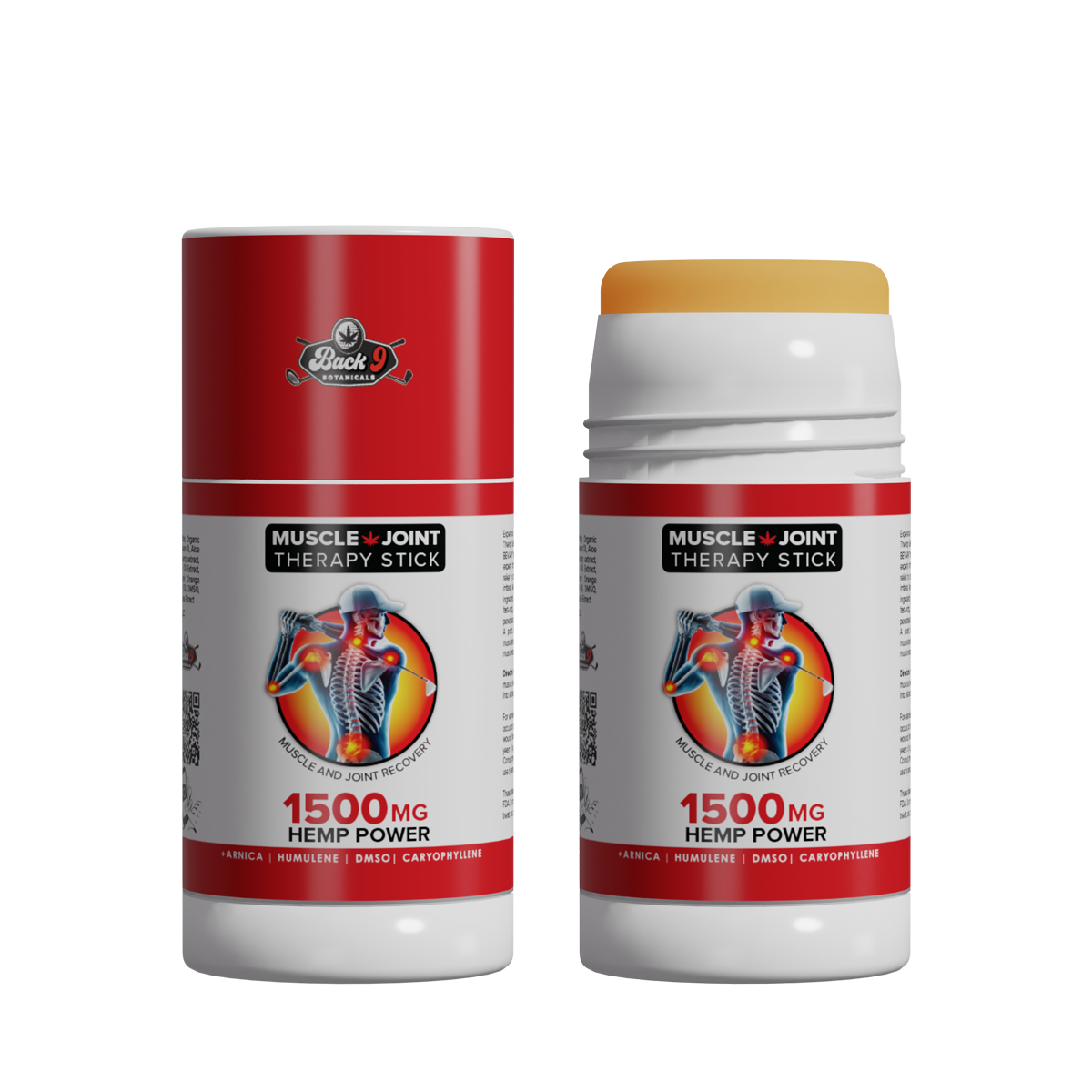
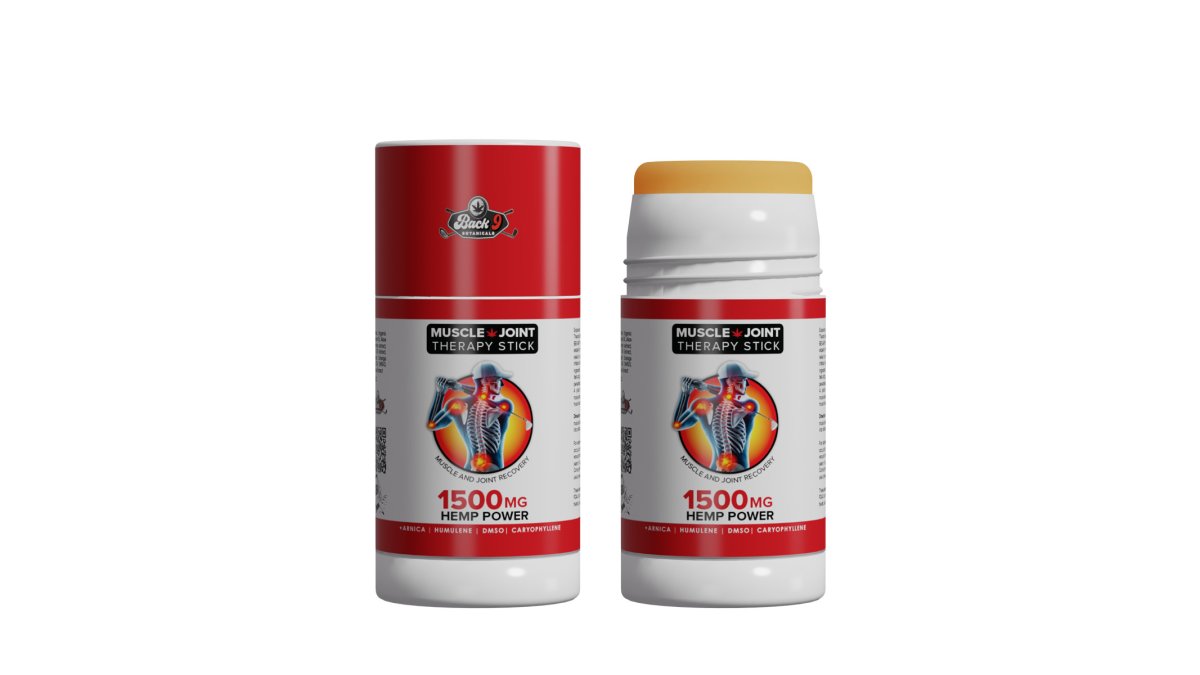
Back 9 Botanicals offers a CBD Topical Therapy Stick with 1500 mg of broad-spectrum hemp oil, designed specifically for sore muscles and stiff joints. The stick format makes application easy and mess-free, whether you're at home or traveling.
Diet and Lifestyle Adjustments
What you eat directly influences inflammation levels. Anti-inflammatory diets rich in vegetables, fruits, whole grains, and omega-3 sources create an environment where pain and inflammation naturally decrease.
Specific foods stand out: leafy greens, berries, fatty fish, nuts, and olive oil all have anti-inflammatory properties. Reducing processed foods and refined sugars helps lower baseline inflammation. For active adults, proper nutrition also supports recovery, reducing soreness and stiffness between workouts or rounds.
Sleep quality matters equally. Deep, restorative sleep is when your body repairs muscle tissue and regulates inflammatory responses. Poor sleep increases pain sensitivity and inflammation. Prioritizing 7-9 hours of consistent sleep can be as powerful as any supplement.
CBD for Daily Pain Management
CBD (cannabidiol) has gained attention as a non-intoxicating option for pain and inflammation management.
CBD interacts with the endocannabinoid system, which regulates pain perception, inflammation, and immune response. Many active adults use CBD daily for baseline pain management, particularly for chronic joint or muscle discomfort that doesn't require acute intervention.
The advantage of CBD is flexibility. It's available as oils, topicals, capsules, and edibles, allowing you to choose a format that fits your routine. For daily wellness, consistency matters, most people find that regular use builds benefits over time rather than providing immediate relief like ibuprofen.
Safety, Dosing, and When to Seek Medical Advice
Natural does not automatically mean safe, and "daily" is the operative word here. A remedy you take once for a sore back is a different risk calculation than one you take every morning for a year. This is the part most roundups skip, and it is the part that matters most if you are replacing routine ibuprofen.
Interactions to Check Before You Stack Supplements
The most common real-world problem is not a single supplement, it is three or four taken together, plus a prescription or two. A few patterns come up again and again:
- Blood thinners and antiplatelets. Fish oil, ginger, turmeric, and white willow bark can each add to the effect of warfarin, apixaban, rivaroxaban, clopidogrel, or daily aspirin. Stacking several of them compounds the risk. If you bruise easily or your gums bleed when you brush, that is a signal to talk to your clinician before continuing.
- Blood pressure medications. NSAIDs are well known to blunt the effect of ACE inhibitors, ARBs, and diuretics. Some natural options are gentler on that front, but fish oil and certain botanicals can still nudge blood pressure, so a home cuff reading is worth tracking for the first few weeks.
- Diabetes medications. Cinnamon, berberine, and high-dose chromium can push blood sugar lower than expected when combined with metformin, sulfonylureas, or insulin.
- St. John's wort. Worth naming even though it is not a pain remedy, because it is a common add-on for mood and it interacts with a long list of prescriptions, including some antidepressants and oral contraceptives.
- Thyroid medication and acid reducers. Turmeric and ginger are generally fine, but absorption of levothyroxine and proton-pump inhibitors can shift with major diet changes, so recheck levels if you overhaul your routine.
A simple rule: bring your full supplement list, with doses, to your next appointment. Most clinicians would rather adjust a dose than manage a bleed.
Dose Ranges People Commonly Use
These are general ranges reported in the literature and used in practice, not prescriptions. Individual needs vary, and a clinician or pharmacist can help you set a starting point.
- Curcumin: 500-2,000 mg per day of a standardized extract, often split into two doses, paired with piperine or a phospholipid formulation to improve absorption.
- Ginger: 500-2,000 mg per day of dried root, or roughly 1-3 grams of fresh ginger in food or tea.
- Fish oil: 1,000-2,000 mg per day of combined EPA and DHA. Higher doses are sometimes used under supervision, but they raise the bleeding and GI considerations above.
- Boswellia: 300-500 mg of a standardized extract, often two to three times daily.
- White willow bark: 120-240 mg of salicin per day. Treat it like aspirin, because that is essentially what it becomes in the body.
Start at the low end. Give any single option four to six weeks before judging it, and change one variable at a time so you know what is actually working.
Onset and Realistic Expectations
This is where natural options differ most from ibuprofen, and where expectations get set wrong.
- Ibuprofen: relief in 30-60 minutes, gone in a few hours.
- White willow bark: slower than ibuprofen, often 1-2 hours, with a similar duration.
- Topicals: variable. Some people feel warmth or cooling within minutes, but anti-inflammatory effects build over days of use.
- Curcumin, ginger, fish oil, boswellia: measured in weeks, not hours. Two to four weeks is a common early checkpoint; six to twelve weeks is where most of the meaningful joint-pain data sits.
If you are looking for something to take the edge off a flare this afternoon, a supplement is the wrong tool. If you are trying to lower your baseline inflammation over a season, it is the right one.
Red Flags That Mean Stop and Get Evaluated
Do not self-treat these with botanicals:
- Pain that wakes you at night or is worse at rest
- New numbness, tingling, or weakness in an arm or leg
- Unexplained weight loss, fever, or night sweats alongside pain
- Pain after a fall, collision, or injury that has not improved in a week
- Chest pain, shortness of breath, or pain radiating into the jaw or arm
- Any new medication started within the last few weeks
Watch Out
If you are pregnant, breastfeeding, scheduled for surgery, or managing kidney or liver disease, talk to your clinician before starting any of these. Several options on this list are not appropriate in those situations, and "natural" does not change that.
A Practical Way to Test One Option
Pick a single remedy, log your pain on a simple 0-10 scale each morning, and hold everything else steady for four weeks. If the number has not moved and you have not had side effects, either increase the dose within the range above or swap to a different option. If it has moved, keep going and re-evaluate at three months. This is the same logic a clinician would use, and it keeps you from stacking five supplements and never knowing which one helped.
Frequently Asked Questions
What are the strongest natural alternatives to NSAIDs for daily pain?
Turmeric (curcumin), ginger, fish oil (omega-3 fatty acids), boswellia, and white willow bark rank among the most researched natural anti-inflammatory options. Turmeric and ginger show the most consistent evidence for reducing inflammation and pain. Topical options like CBD therapy sticks provide localized relief without systemic absorption. The strongest option depends on your pain type, severity, and how your body responds, what works well for joint pain may differ from muscle soreness.
Are natural pain relievers safe to take every day?
Most herbal remedies are generally well-tolerated for daily use, but safety depends on dose, duration, and individual health factors. Turmeric and ginger have strong safety profiles at typical doses. Fish oil may thin blood at high doses. White willow bark contains salicylates (similar to aspirin) and shouldn't be used by people allergic to NSAIDs. Always check for interactions with medications you take, and consult a healthcare provider before starting daily supplements, especially if you have liver or kidney concerns.
How does CBD compare to other natural alternatives for daily pain?
CBD works differently from herbal anti-inflammatories, it may reduce pain signaling and inflammation through the endocannabinoid system rather than blocking inflammatory pathways like turmeric does. Topical CBD therapy, like a 1500 mg CBD stick, targets specific areas without systemic effects. Some people use CBD alongside other natural remedies for layered relief.
When should I see a doctor about daily pain instead of trying natural alternatives?
Seek medical evaluation if pain is severe, sudden, limits function, or persists beyond two weeks despite home treatment. Pain that worsens despite natural remedies, pain following injury, or pain accompanied by swelling, redness, or warmth needs professional assessment. If you take blood thinners, have kidney or liver disease, or are pregnant, consult a doctor before starting any supplement. A healthcare provider can rule out conditions requiring treatment beyond pain relief.