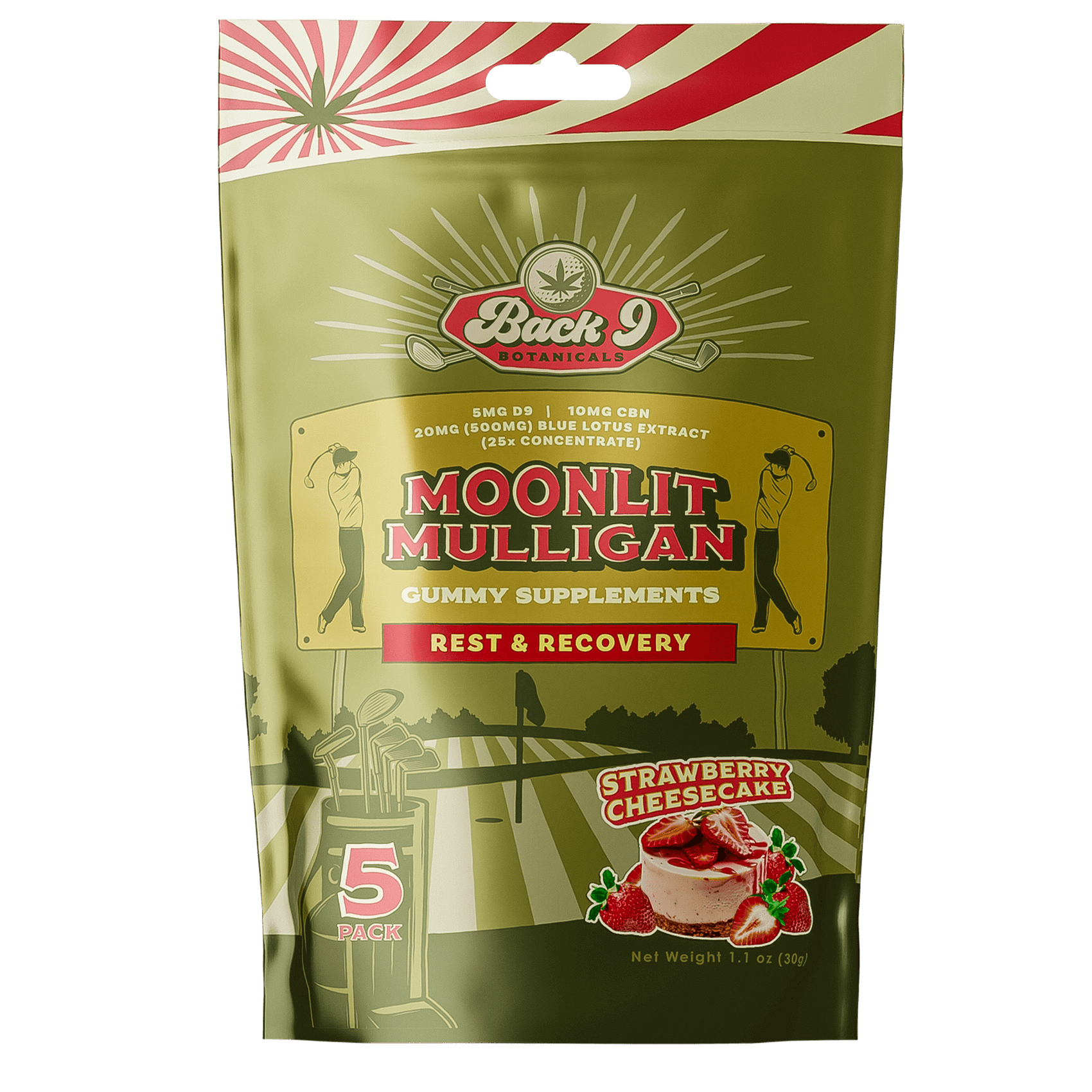
"Game-changer! Felt the calming effects in about 20 minutes – perfect for quick relaxation. The Passion Fruit flavor is delicious. My new go-to for unwinding!"
Understanding Turmeric and Curcumin for Inflammation
Turmeric is a golden spice used for thousands of years in traditional wellness practices. The active compound in turmeric is curcumin, which gives the spice its bright color and most of its health-supporting properties.
Turmeric works differently than quick-fix approaches, it's a long-term strategy that builds over time, ideal for athletes and active individuals managing inflammation from training and everyday wear.
Curcumin may help your body manage inflammatory responses. It's not a drug, but consistent use over weeks and months often creates noticeable shifts in how your body feels.
Pro TipThe biggest mistake people make is expecting turmeric to work like ibuprofen. It doesn't kick in within hours. Think of it as a daily maintenance tool, not an emergency fix.
Turmeric Dosage for Inflammation: Finding Your Daily Amount
The typical range for turmeric dosage sits between 500 to 2,000 milligrams of curcumin per day for inflammation support. Most people start at the lower end and adjust based on how they feel.
Here's the practical approach:
Start low: Begin with 500-750 mg per day for the first week or two
Assess: Notice how your body responds over 7-10 days
Adjust gradually: Add another 250-500 mg if needed
Find your level: Most people settle between 1,000-1,500 mg daily for long-term inflammation relief
Stay consistent: Take it at the same time each day (with a meal works best)
Consistency matters most, regular daily use creates results. Many find spreading doses throughout the day (morning and evening) works better than taking it all at once.
Watch OutTaking too much turmeric at once can cause stomach upset. If you experience digestive discomfort, scale back your dose and increase more slowly over time.
How Long Does Turmeric Take to Work for Inflammation Relief
Most people notice changes between 2-4 weeks of consistent daily use; some take 6-8 weeks. Without tracking your baseline, you won't know if turmeric is actually working for you.
Timeline depends on baseline inflammation level, consistency, absorption (affected by black pepper and fat intake), sleep and stress, and individual genetics.
Changes are often subtle, week one may feel like nothing, but by week three or four you might notice easier joints or faster recovery. Tracking reveals these subtle shifts.
Building Your Inflammation Tracking Log
The best way to know if turmeric is working is to measure your baseline before you start, then track weekly. This simple log takes 2 minutes per week and gives you objective data instead of guesswork.
Before you start turmeric (Week 0):
Record your baseline for 3-7 days:
Morning stiffness: 0-10 scale
Pain level: 0-10 scale
Recovery time after activity: Hours or days until soreness fades
Functional limitation: Yes / Somewhat / No
Sleep quality: Good / Fair / Poor
Weeks 1-6 (During turmeric use):
Record the same metrics weekly. After 4 weeks, compare Week 4 to your baseline to identify trends.
What improvement looks like: Morning stiffness drops 2-3 points, pain decreases, recovery shortens, and sleep improves.
What no improvement looks like: If metrics are unchanged after 6 weeks, increase your dose, switch forms, or consult your doctor.
Factors That Slow or Speed Response
Speed response: Take with black pepper and fat, use consistently, prioritize sleep and stress management, move regularly, and stay hydrated.
Slow response: Empty stomach intake, inconsistent use, high stress, poor sleep, sedentary lifestyle, or low-quality supplements.
Why 4-6 Weeks?
Curcumin works by modulating inflammatory pathways in your body, not by blocking inflammation acutely like ibuprofen does. This means:
Changes accumulate over time as curcumin builds up in your system
Your body's inflammatory response gradually shifts, not overnight
You notice the difference when you compare Week 4 to Week 0, not when you compare Day 8 to Day 1
This is also why consistency matters so much. Missing doses resets your progress; daily use compounds the effect.
Key TakeawayTrack your inflammation markers for 4-6 weeks before deciding if turmeric is working for you. Use the simple log above: morning stiffness, pain level, recovery time, functional ability, and sleep quality. Compare Week 4 or 6 to your baseline. If you see improvement, continue. If not, adjust your approach or consult your doctor.
Turmeric and Black Pepper Absorption: Maximizing Bioavailability
Curcumin doesn't absorb well alone, your body excretes much of it quickly. Black pepper contains piperine, which dramatically increases curcumin absorption by up to 2,000%. This is why turmeric and black pepper absorption matters for long-term results:
Pair turmeric with black pepper to maximize absorption
Add fat (olive oil, coconut oil, or meals with healthy fats) since curcumin is fat-soluble
Take with food, never on an empty stomach
Check supplement labels for black pepper extract (piperine) or bioavailability enhancement. Without these, absorption suffers.
Practical Ways to Add Turmeric to Your Daily Routine
The best turmeric routine is one you'll actually stick with. That means making it easy and something you genuinely enjoy.
Turmeric Recipes and Drinks
Golden milk (turmeric latte) is the easiest entry point:
Heat 1 cup of milk (dairy or plant-based)
Add 1/2 teaspoon turmeric powder
Add a small pinch of black pepper
Add 1/4 teaspoon ginger (optional but helpful)
Stir in a touch of honey or maple syrup
Drink warm before bed or in the morning
This single drink covers your daily turmeric dose and tastes good enough to become a habit.
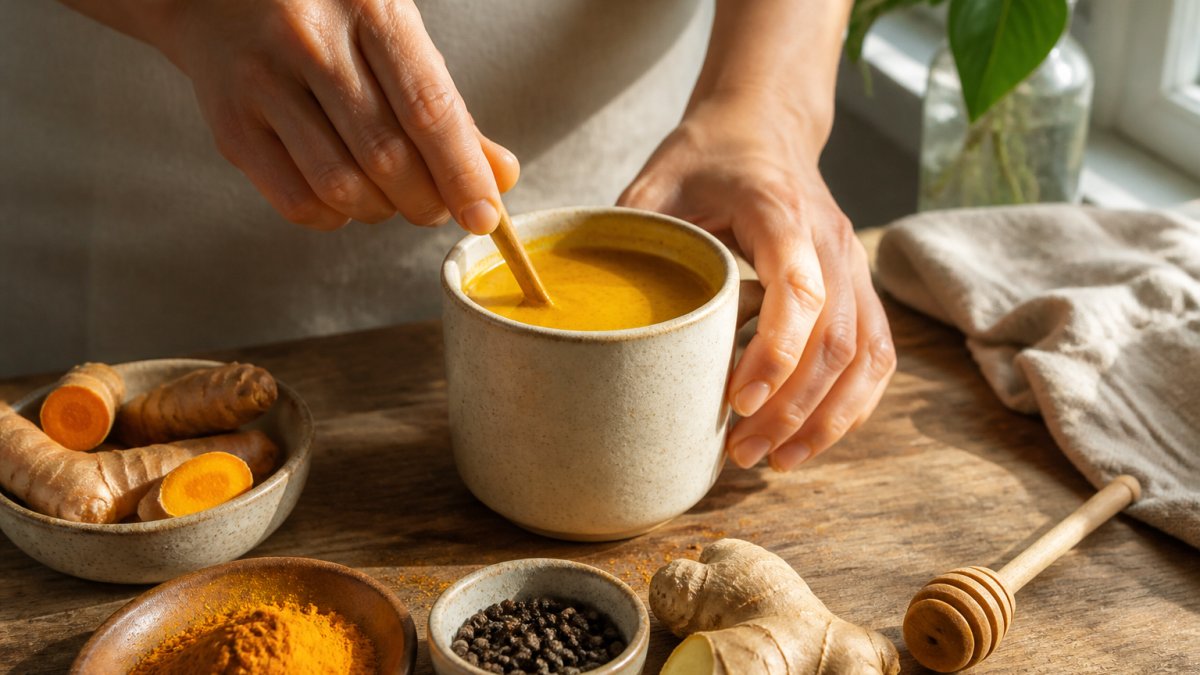
Hands preparing a golden milk drink in a ceramic mug with fresh turmeric root, black pepper, and ginger arranged on a wooden surface, natural morning light streaming across the scene
Other easy options:
Turmeric in smoothies, blend 1/2 teaspoon with banana, yogurt, and black pepper
Turmeric in soups, add to bone broth, vegetable soups, or curry dishes
Turmeric in dressings, mix into olive oil and vinegar for salads
Turmeric in oatmeal, stir into warm oats with cinnamon and black pepper
Turmeric shots, mix 1 teaspoon with water, lemon, and black pepper for a quick dose
Turmeric Supplements and Forms
If cooking isn't your thing, supplements are a reliable alternative. Here's what you need to know about different forms:
Turmeric powder capsules: Most affordable; look for piperine inclusion.
Curcumin extract supplements: Better absorption than powder; typically 500-1,000 mg per serving.
Liposomal curcumin: Lipid-encapsulated for superior absorption; more expensive.
Turmeric with absorption enhancers: Brands add bioavailability-boosting ingredients.
For how to use turmeric for long-term inflammation relief consistently, combine approaches: golden milk most days plus supplements on high-inflammation days (after intense training or travel).
Turmeric Supplements Side Effects and Interactions
Turmeric is generally well-tolerated, but not risk-free for everyone, especially those on medications or with health conditions. Understand potential interactions before starting.
Common side effects (mild and dose-dependent): digestive upset, headaches, rare allergic reactions, and mouth irritation. Resolve by reducing dose, taking with food, or spacing doses throughout the day.
Medication Interactions
Turmeric and curcumin can interact with several classes of medications. If you take any of the following, consult your healthcare provider before starting a turmeric routine:
NSAIDs and corticosteroids: Combined use may amplify effects; inform your doctor.
Statins: Take turmeric and statins at different times; consult your doctor about spacing.
Immunosuppressants: Avoid turmeric supplements without medical approval.
Acid reducers (omeprazole, famotidine): Separate turmeric intake by at least 2 hours.
Higher-Risk Groups
Certain populations should avoid turmeric supplements or use them only under medical supervision:
Pregnancy: Avoid high-dose supplements; culinary amounts are generally safe. Consult your obstetrician.
Breastfeeding: Limited safety data; consult your healthcare provider.
Gallbladder disease: Avoid supplements; discuss culinary use with your doctor.
Bleeding disorders: Turmeric's anticoagulant properties may increase bleeding risk.
Planned surgery: Stop supplements 2 weeks before; inform your surgical team.
Iron deficiency: Separate turmeric from iron supplements by 2 hours.
Kidney disease: Avoid high-dose supplements; consult your nephrologist.
How to Use Turmeric Safely Long-Term
Start low and go slow: Begin with 500-750 mg of curcumin per day for 1-2 weeks. This allows you to identify any adverse reactions before increasing your dose.
Monitor for warning signs: Stop turmeric and seek medical advice immediately if you experience:
Unusual bruising or bleeding
Severe abdominal pain
Yellowing of skin or eyes (signs of liver stress)
Persistent nausea or vomiting
Signs of an allergic reaction
Reassess periodically: Every 3-6 months, ask yourself whether turmeric is still helping and whether any new medications or health changes warrant a conversation with your doctor.
Don't substitute for medical care: Turmeric is a supplement, not a treatment for diagnosed inflammatory conditions, arthritis, or other medical disorders.
Watch OutIf you are pregnant, planning surgery, taking blood thinners, or managing a chronic disease, do not start turmeric supplements without explicit approval from your healthcare provider. The risks may outweigh benefits in your situation.
::: Professional guidance remains the safest path when managing chronic pain, ensuring that your long-term strategy integrates natural anti-inflammatories with established medical protocols.
Building Your Long-Term Turmeric Plan
Consistency beats perfection. Here's how to build a sustainable how to use turmeric for long-term inflammation relief routine:
Week 1-2: Establish the habit
Pick one delivery method (golden milk, supplement, or food)
Set a specific time each day (morning coffee time, evening wind-down)
Start with a lower dose and observe how you feel
Week 3-4: Assess and adjust
Note any changes in joint stiffness, recovery time, or soreness
Increase dose if needed
Switch methods if your first choice isn't sustainable
Month 2 onward: Optimize
Combine methods if one alone isn't enough (supplement in morning, golden milk at night)
Track your inflammation markers weekly
Adjust based on your activity level and stress
Long-term maintenance:
Keep a simple log of how you feel
Notice seasonal patterns (winter often means more stiffness)
Adjust your dose based on activity level
Consider adding complementary botanicals like ginger if needed
Many athletes and active individuals find that turmeric works best as part of a broader approach. Sleep, stress management, movement, and recovery all matter. Turmeric is a tool, not the whole toolbox.
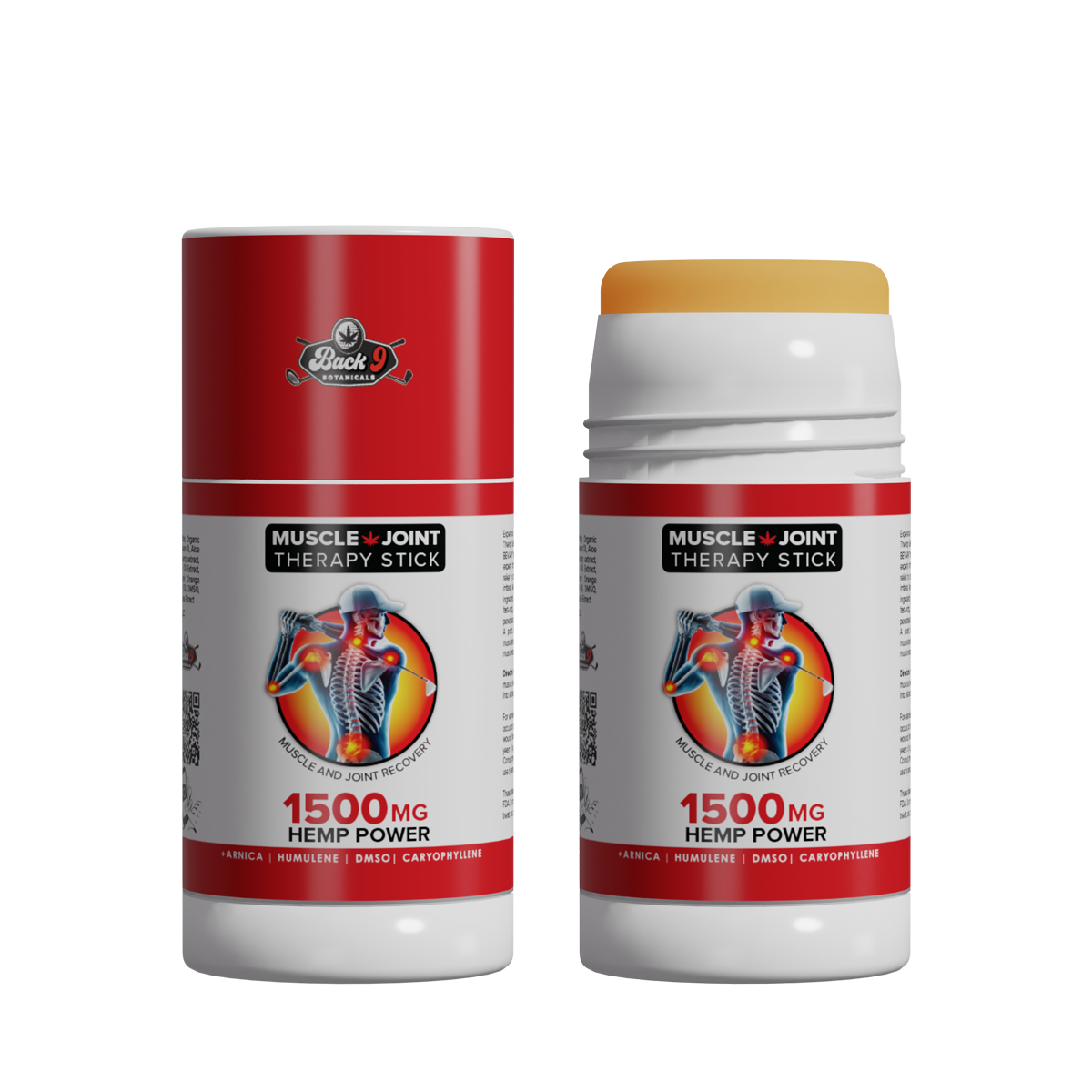
For targeted muscle and joint support, many people combine turmeric intake with topical relief. The CBD Topical Therapy Stick from Back 9 Botanicals offers 1500 mg of broad-spectrum hemp oil with CBD, CBDV, and CBG, designed to work alongside your turmeric routine for comprehensive inflammation management.
CBD TOPICAL THERAPY STICK
Your long-term turmeric plan should feel simple enough to maintain for months, not just weeks. The best routine is the one you'll actually follow.
Building a long-term turmeric practice takes patience and consistency, but the payoff is real inflammation relief without relying on daily medications.
At Back 9 Botanicals, we believe in combining natural botanicals with science-backed approaches to recovery. Whether you're managing post-round soreness, training inflammation, or daily wellness, consistent turmeric use fits into a complete recovery strategy.
Frequently Asked Questions
How long does it take for turmeric to help with inflammation?
Most people notice some response within 4 to 8 weeks of consistent daily use, though individual timelines vary. Some athletes report feeling effects on joint soreness within 2-3 weeks, while others need 8-12 weeks to experience meaningful relief. Consistency matters more than speed, taking turmeric daily as part of a long-term plan yields better results than sporadic use. Keep a simple log of your symptoms to track when you notice changes.
How much turmeric should I take daily for inflammation?
Most research supports 500-2,000 mg of curcumin daily for inflammation relief, typically delivered through 1-3 teaspoons of turmeric powder or a standardized supplement. Start at the lower end (500 mg) and increase gradually over 2 weeks to assess your tolerance. If using fresh turmeric root, aim for 1-3 grams daily. Always pair turmeric with black pepper (piperine) to boost absorption. Consult a healthcare provider before starting, especially if you take medications.
Does turmeric in food work as well as supplements for inflammation?
Food-based turmeric provides health benefits and anti-inflammatory compounds, but supplements deliver higher, standardized doses of curcumin for more consistent results. A single serving of turmeric in curry or tea contains only 100-200 mg of curcumin, whereas supplements offer 500-2,000 mg per dose. For long-term inflammation relief, combining both, food use for daily wellness and supplements for targeted support, gives you the best of both approaches.
Can turmeric interact with medications or cause side effects?
Turmeric is generally safe but can interact with blood thinners, diabetes medications, and certain anti-inflammatory drugs by amplifying their effects. High doses may cause digestive upset, nausea, or dizziness in sensitive individuals. People with gallbladder disease, bleeding disorders, or upcoming surgery should avoid turmeric supplements. Always inform your healthcare provider before adding turmeric to your routine, especially if you take prescription medications or have underlying health conditions.

 Cart (0 items)